





Source:China Tibet Online 2015-06-01
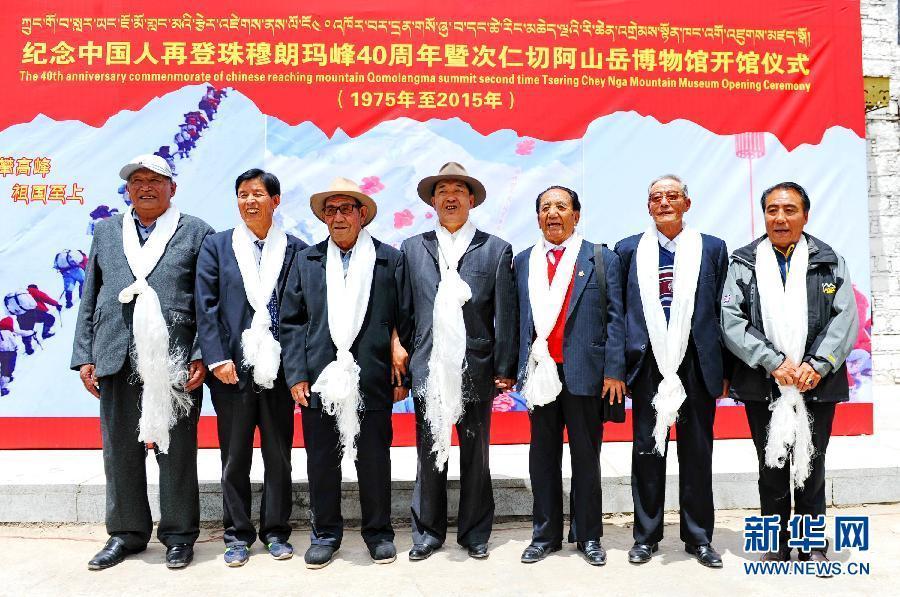
Photo shows some of the nine warriors who climbed the Mount Qomolangma on May. 27, 1975.
Tibet held a commemorative event for the "40th anniversary of the second Chinese Mt. Qomolangma climb" on May 27, and some representatives from that Chinese team to successfully reach the summit, the "Nine Warriors", assembled in Lhasa to reminisce about the past, Xinhua reported.
On May 25, 1960, the Chinese summited Mt. Qomolangma for the first time, the first ever successful summit from the northern side. On May 27, 1975, a Chinese climbing team consisting of climbers Sonam Norbu, Pando, Nortse, Sangju, Hou Shengfu, Konggar Basang, Phuntsok, Tsering Dorje, and Abu Trin, the "Nine Warriors", reached the summit a second time.
Nyima Tsering, deputy director of the Tibet Autonomous Region Sports Bureau, said that 40 years ago, the second summiting of Mt. Qomolangma marked the hardships of the exploratory phase that Chinese mountaineering faced, from the first ascent of Mt. Qomolangma to the challenges of Mt. Shishapangma and other unclimbed mountains, while rapidly developing its status on the world stage.
"That particular summit gave Qomolangma its correct 'height' standard," Nortse said, who used a metal surveyor's beacon weighing five kilograms to accurately measure the height of Mt. Qomolangma, which Phuntsok carried up the mountain. After Dorje joined them, they constructed a tripod, using nylon rope to hold it together.
Nortse said they firmly erected the three-meter high, red-colored surveyor's beacon, on which was written "The People's Republic of China Mountaineering Team", on the summit of Mt. Qomolangma.
It not only provided technical support for Chinese surveyors to accurately measure the height of Mt. Qomolangma, but also within a short period of time became the "ironclad evidence" for climbers of Mt. Qomolangma worldwide.
Mt. Qomolangma is Tibetan Language, in which "Qomo" means "goddess" and "langma" means "third", because there are four other tall mountains in the area, and Mt. Qomolangma is the third. Therefore, "Qomolangma" means "the third goddess".
There are records of Qomolangma from as early as the 56th year in the reign of Qing emperor Kangxi (year 1717 C.E.), when it was referred to as "Goddess Mountain".
In 2002, People’s Daily published an article that said the English language name used in the western world of "Mount Everest" should be renamed as the Tibetan name "Mount Qomolangma". It appeared on Chinese maps as "Qomolangma" 280 years before the West started using the English name "Mount Everest".
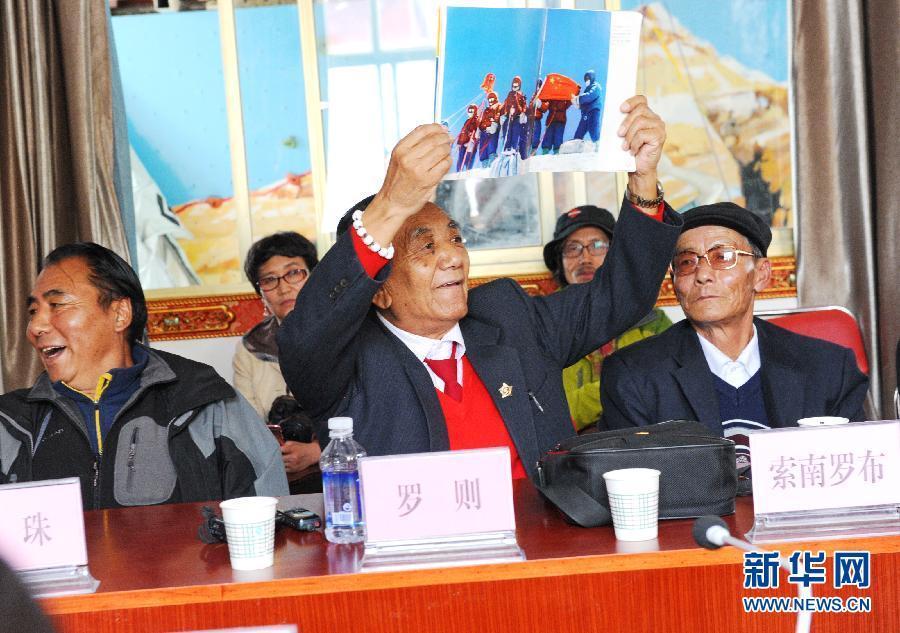
Photo shows some of the nine warriors who climbed the Mount Qomolangma on May. 27, 1975.
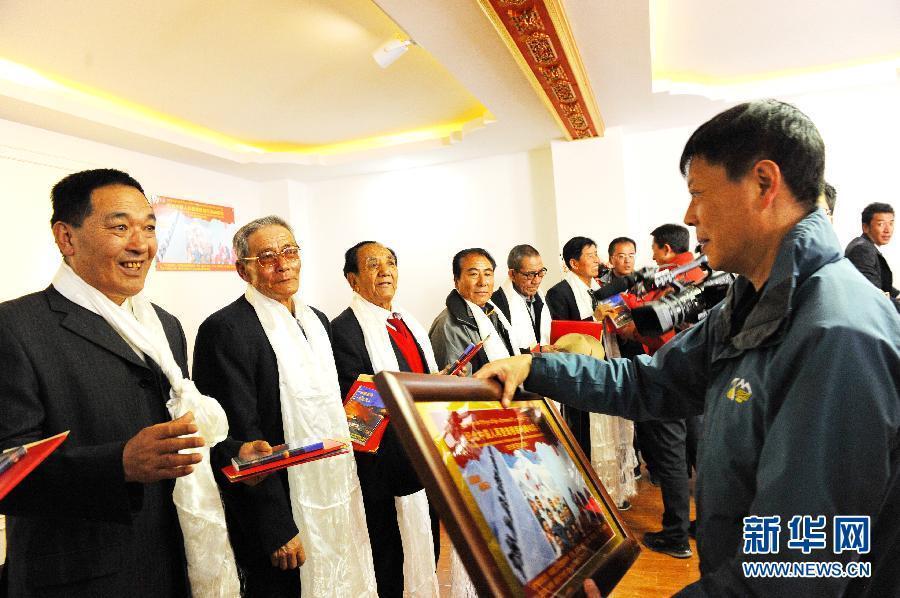
Photo shows some of the nine warriors who climbed the Mount Qomolangma on May. 27, 1975.
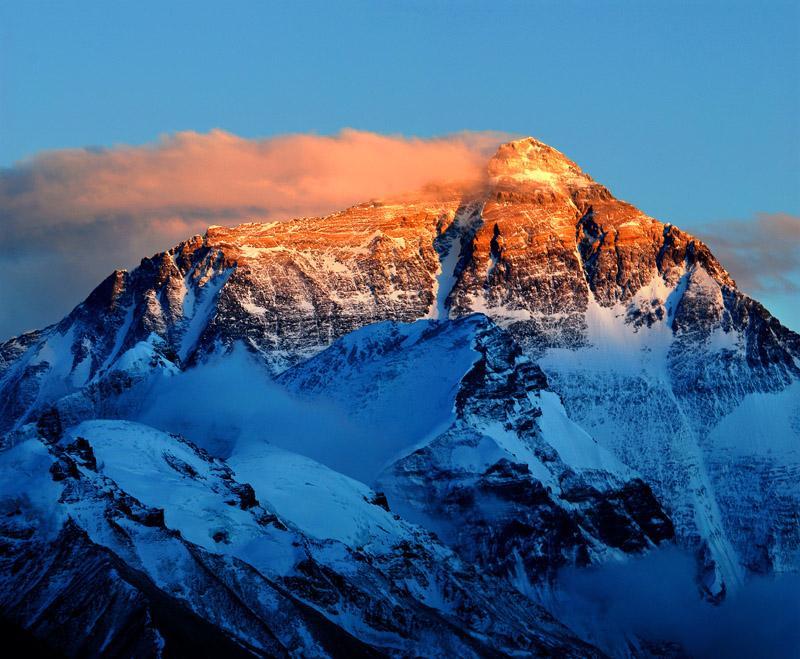
File photo shows the flag cloud of Mount Qomolangma.
Copyright © Xizang Daily & China Xizang News All rights reserved
Reproduction in whole or in part without permissions prohibited
Index Code: 藏 ICP 备 05000021 号
Producer: Xizang Daily International Communication Center