





Source:Xinhua 2016-02-15
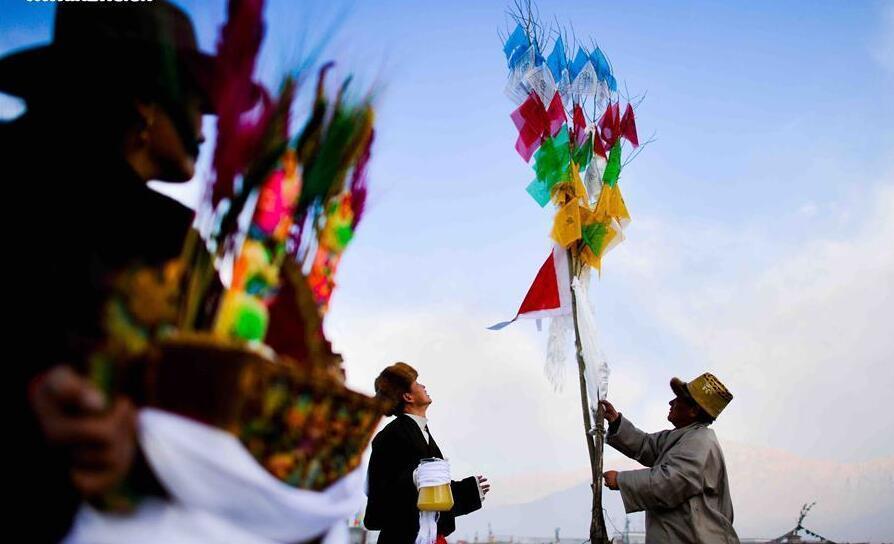
Residents alter five-colored prayer tree to celebrate Losar, the Tibetan New Year, in Lhasa, captial of southwest China's Tibet Autonomous Region, Feb. 10, 2016. Feb. 9, 2016 marked the first day of the "Fire Monkey Losar" on the Tibetan calendar. The five-colored prayer tree include the color of blue, white, red, green and yellow, representing sky, cloud, fire, water and earth respectively. (Xinhua/Purbu Zhaxi)
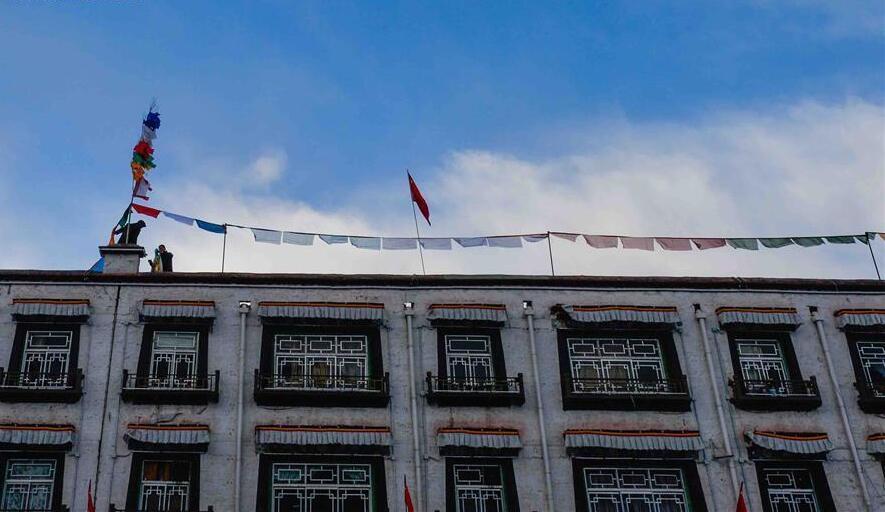
Residents alter five-colored prayer tree to celebrate Losar, the Tibetan New Year, in Lhasa, captial of southwest China's Tibet Autonomous Region, Feb. 10, 2016. Feb. 9, 2016 marked the first day of the "Fire Monkey Losar" on the Tibetan calendar. The five-colored prayer tree include the color of blue, white, red, green and yellow, representing sky, cloud, fire, water and earth respectively. (Xinhua/Purbu Zhaxi)
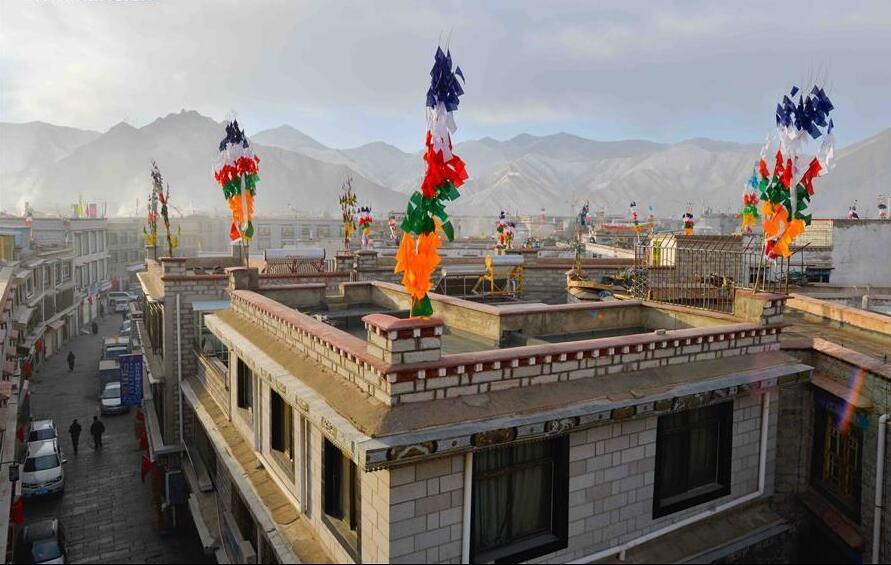
Newly-altered five-colored prayer trees are seen in Lhasa, captial of southwest China's Tibet Autonomous Region, Feb. 10, 2016. Feb. 9, 2016 marked the first day of the "Fire Monkey Losar" on the Tibetan calendar. The five-colored prayer tree include the color of blue, white, red, green and yellow, representing sky, cloud, fire, water and earth respectively. (Xinhua/Purbu Zhaxi)
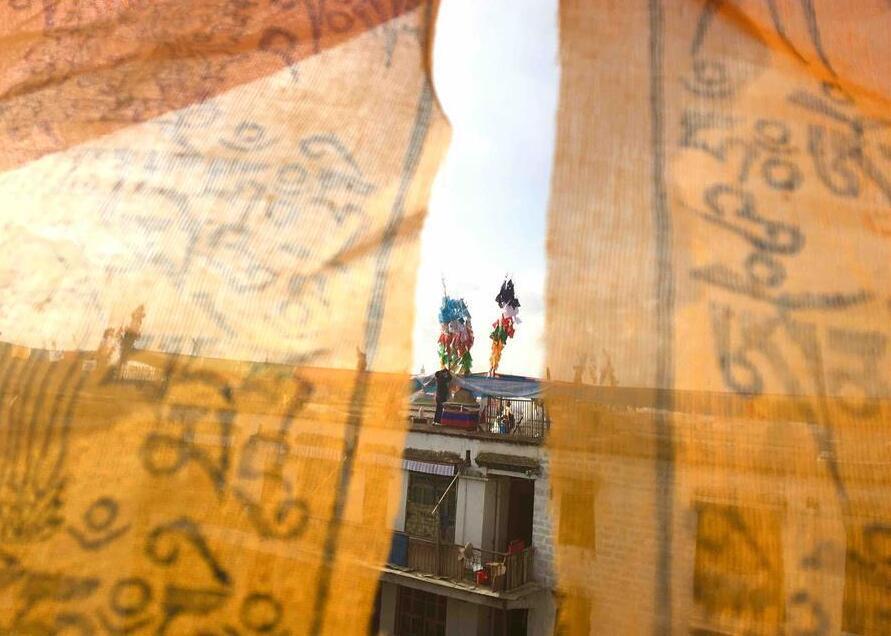
Newly-altered five-colored prayer trees are seen in Lhasa, captial of southwest China's Tibet Autonomous Region, Feb. 10, 2016. Feb. 9, 2016 marked the first day of the "Fire Monkey Losar" on the Tibetan calendar. The five-colored prayer tree include the color of blue, white, red, green and yellow, representing sky, cloud, fire, water and earth respectively. (Xinhua/Purbu Zhaxi)
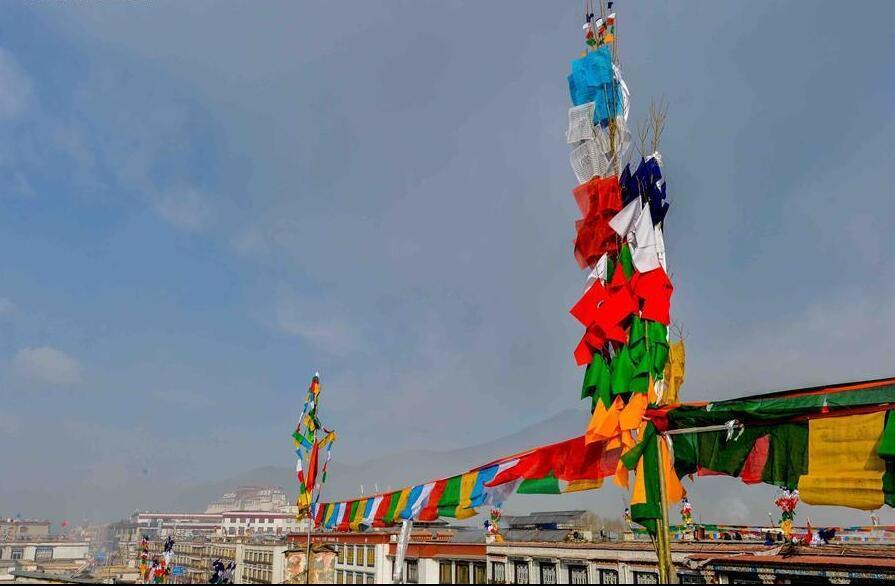
Newly-altered five-colored prayer trees are seen in Lhasa, captial of southwest China's Tibet Autonomous Region, Feb. 10, 2016. Feb. 9, 2016 marked the first day of the "Fire Monkey Losar" on the Tibetan calendar. The five-colored prayer tree include the color of blue, white, red, green and yellow, representing sky, cloud, fire, water and earth respectively. (Xinhua/Purbu Zhaxi)
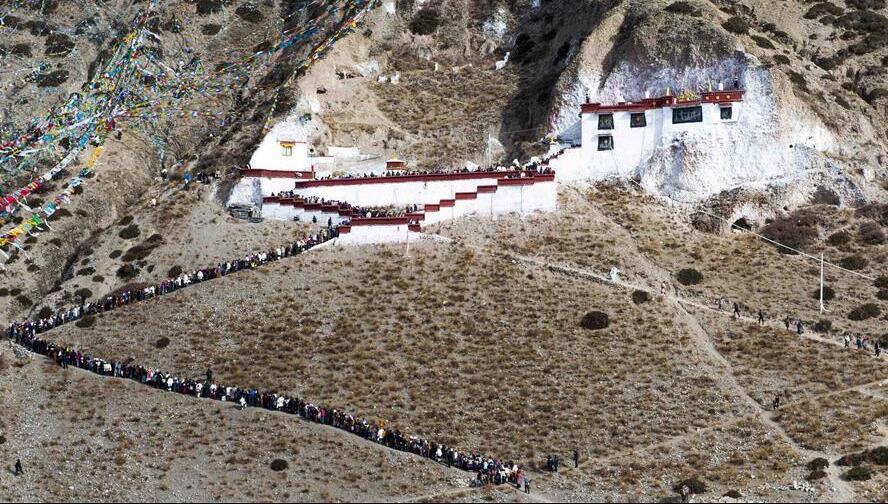
Herdsmen gather to worship Palden Lhamo, a Buddhist Goddess, on the second day of Losar, the Tibetan New Year, in Damxung, southwest China's Tibet Autonomous Region, Feb. 10, 2016. Feb. 9, 2016 marked the first day of the "Fire Monkey Losar" on the Tibetan calendar. (Xinhua/Danni)
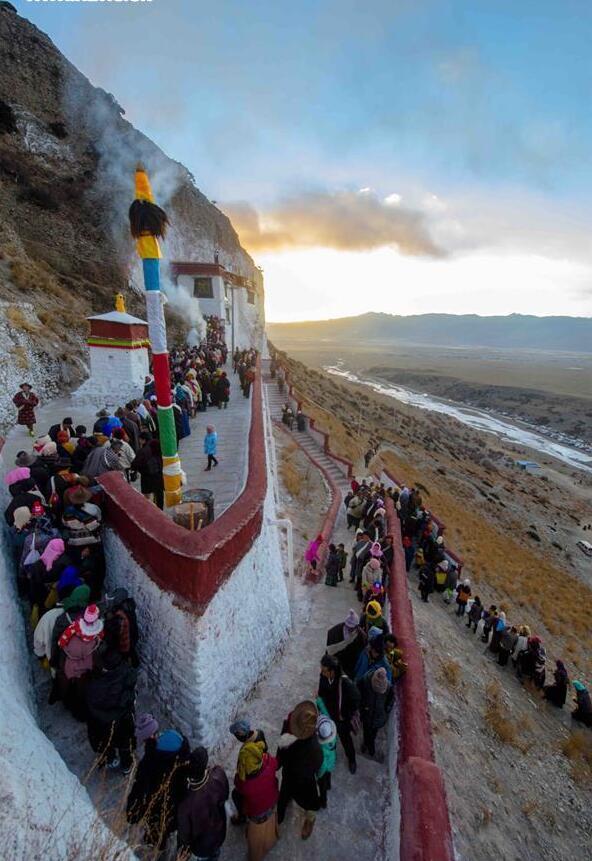
Herdsmen gather to worship Palden Lhamo, a Buddhist Goddess, on the second day of Losar, the Tibetan New Year, in Damxung, southwest China's Tibet Autonomous Region, Feb. 10, 2016. Feb. 9, 2016 marked the first day of the "Fire Monkey Losar" on the Tibetan calendar. (Xinhua/Danni)
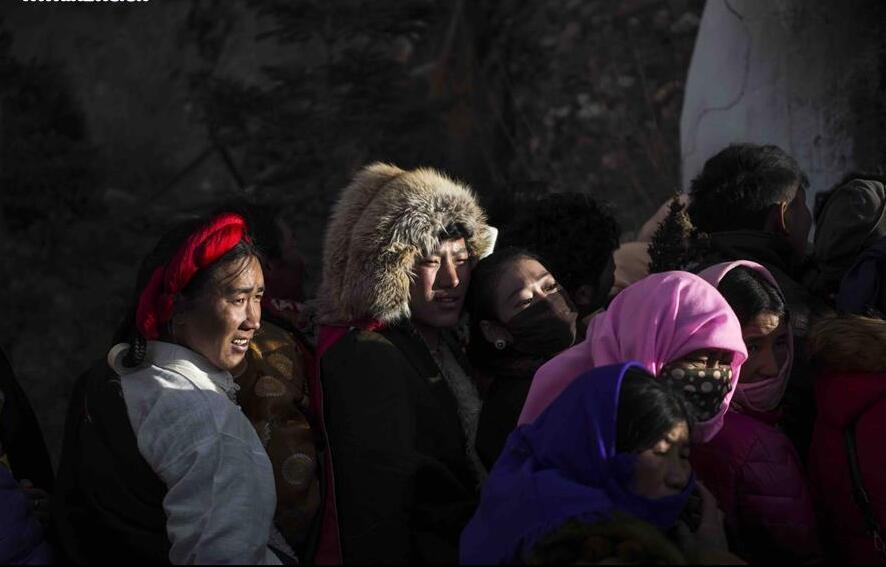
Herdsmen gather to worship Palden Lhamo, a Buddhist Goddess, on the second day of Losar, the Tibetan New Year, in Damxung, southwest China's Tibet Autonomous Region, Feb. 10, 2016. Feb. 9, 2016 marked the first day of the "Fire Monkey Losar" on the Tibetan calendar. (Xinhua/Danni)
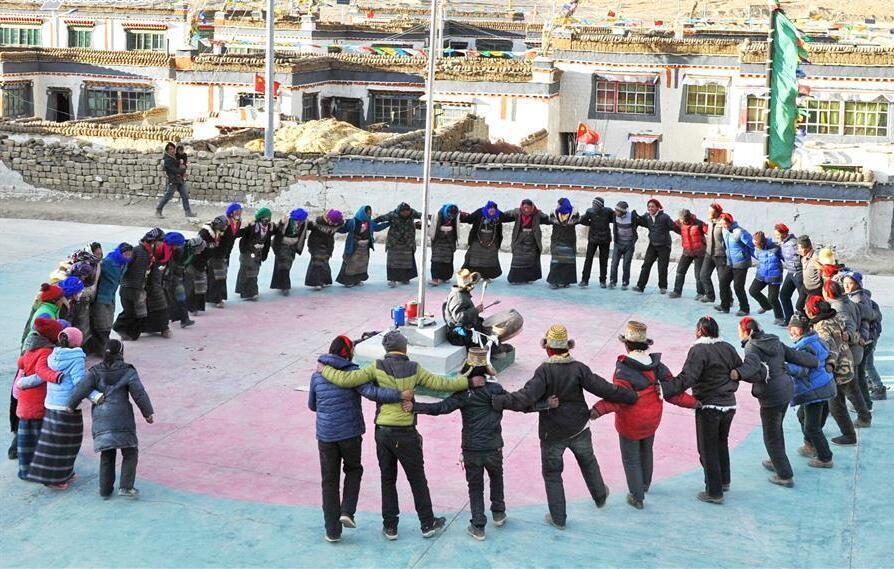
Villagers gather to dance "Guozhuang", Tibetan bonfire dance, to celebrate Losar, Tibetan New Year, in Ximu Village of Menbu Township in Nyalam County, southwest China's Tibet Autonomous Region, Feb. 9, 2016. Feb. 9, 2016 marked the first day of the "Fire Monkey Losar" on the Tibetan calendar. The Tibetan New Year is normally celebrated by religious rituals, long prayers, horse races, family gatherings and feasts. The celebration lasts for two weeks. (Xinhua/Zhang Rufeng)
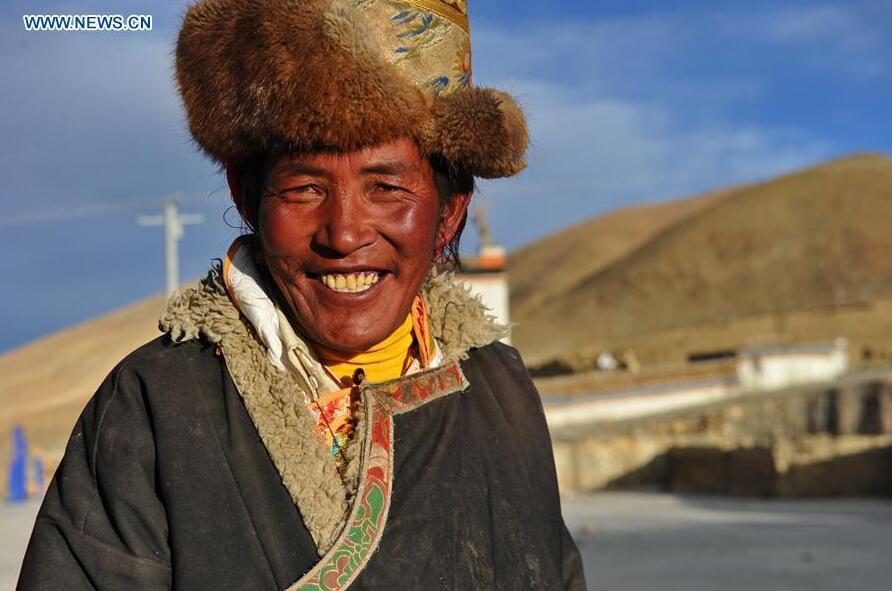
A villager dances "Guozhuang", Tibetan bonfire dance, to celebrate Losar, Tibetan New Year, in Ximu Village of Menbu Township in Nyalam County, southwest China's Tibet Autonomous Region, Feb. 9, 2016. Feb. 9, 2016 marked the first day of the "Fire Monkey Losar" on the Tibetan calendar. The Tibetan New Year is normally celebrated by religious rituals, long prayers, horse races, family gatherings and feasts. The celebration lasts for two weeks. (Xinhua/Zhang Rufeng)
Copyright © Xizang Daily & China Xizang News All rights reserved
Reproduction in whole or in part without permissions prohibited
Index Code: 藏 ICP 备 05000021 号
Producer: Xizang Daily International Communication Center