





Source:xzxw.com 2026-08-24
In Lhasa's Barkhor Street, sunlight streams through the wooden windows of sweet-tea houses, permeating the slow-paced Tibetan way of life.
In Bailang County, Xigaze City,Xizang, the golden sheen of Qingke ears paints a picture of harvest;
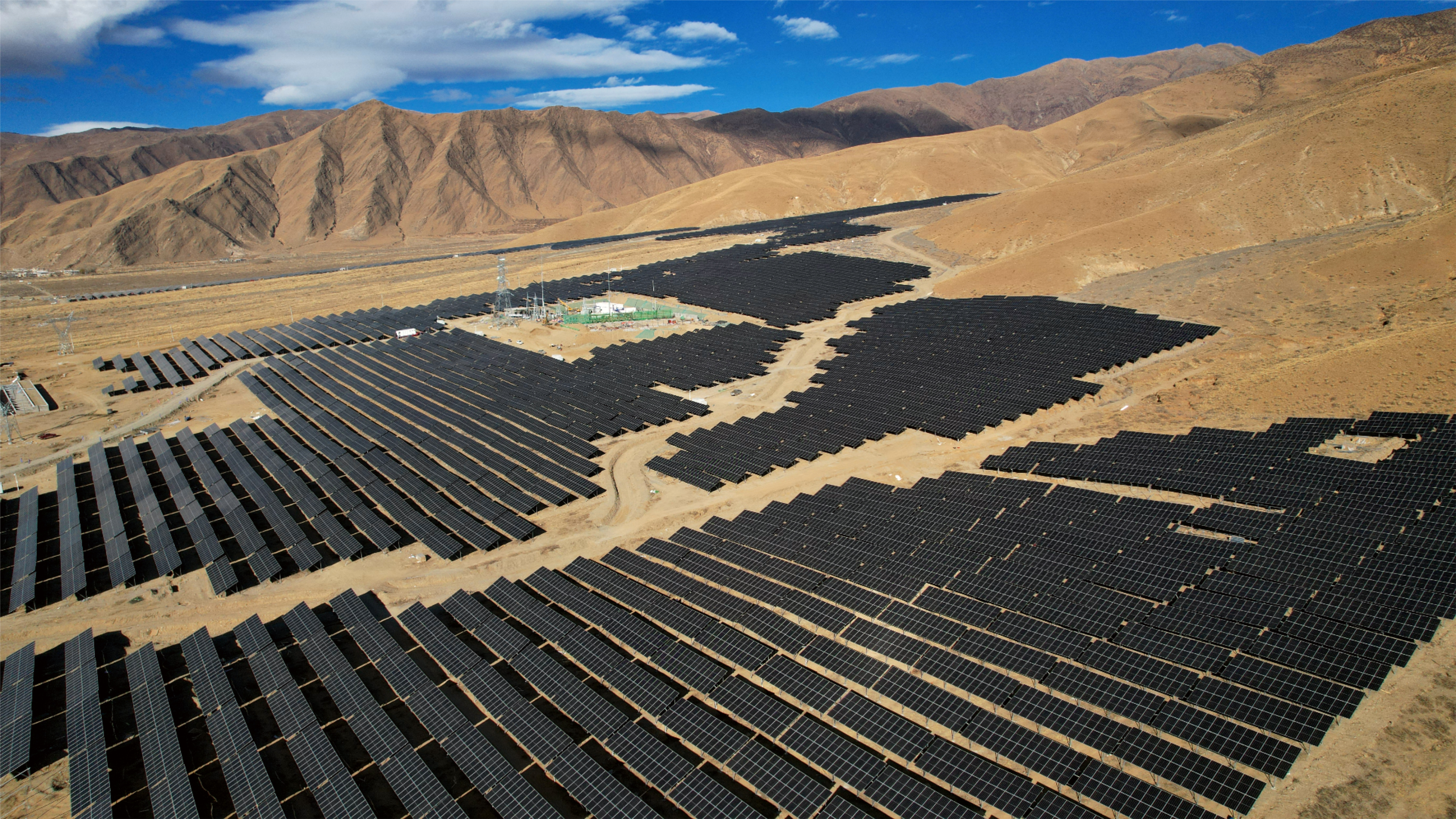
In Nagqu Town, NagquCity,Xizang Autonomous Region, photovoltaic panels stretch like a blue ocean, pulsing with surging energy.
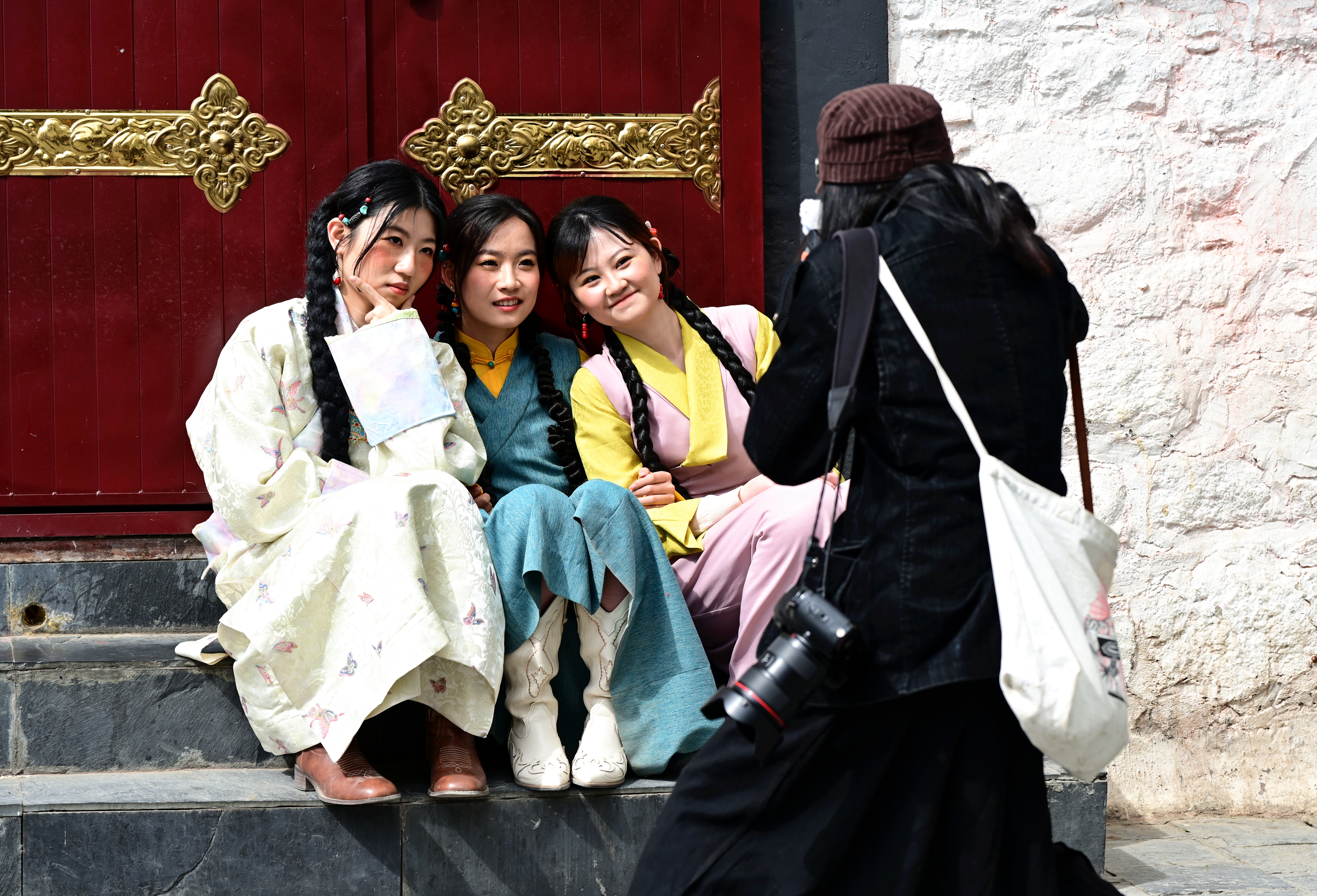
Behind all these vivid scenes lies a common protagonist – sunlight, so familiar yet so precious.
The snowy plateau, bathed in intense and unrestrained sunshine, possesses a natural endowment and developmental advantage unique to XizangAutonomous Region.
President Xi Jinping stressed that XizangAutonomous Region should develop industries with distinctive plateau characteristics according to local conditions.
Making good use of sunlight and developing distinctive and superior industries is a key focus for Xizang's high-quality development.The "Shen Yi Du" studio takes you on an exploration: what exactly can a ray of sunlight bring to Xizang?
"You" (Sunlight) are the most precious
How good is the sunlight in Xizang?
Abundant-the annual average sunshine duration reaches 2682.9 hours, ranking first in the country; the total solar radiation is more than 30% higher than that of the eastern plains.
Clean-with pure air, sparse cloud cover, and a clear‑sky rate exceeding 80%.
Stable-effective sunlight hours are long and evenly distributed throughout the year.
"Xizang's sunlight is a 'golden treasure' bestowed by nature," said Yang Jie, deputy director of the Institute of Economic Strategy Research at the Xizang Autonomous Region Academy of Social Sciences. The combination of exceptionally long sunshine and the plateau's cool climate, the two complementary advantages gives Xizang a unique edge in developing its industries.
For example, for every 1°C drop in the temperature of photovoltaic modules, power generation efficiency can increase by about 0.4%. The plateau's low temperatures and frequent winds effectively lower the temperature of the modules, allowing abundant solar energy to be converted into electricity more efficiently. Meanwhile, strong ultraviolet radiation and dry, low‑temperature conditions greatly reduce the incidence of crop pests and diseases, enabling the huge diurnal temperature range to patiently infuse the flavours of the plateau into fruits over an entire growing season.
In the view of Jin Haibo, associate professor at the Party School of the Xizang Autonomous Region Committee, industries built on sunlight are characterised by zero pollution, low emissions, and sustainability,fully aligned with the core positioning of ecological priority and green development. They represent a critical direction for Xizang to "transform geographic potential into economic momentum" and overcome the constraints of a single industrial structure and insufficient development impetus.
 Turning sunlight into cash
Resource endowment represents "possibility". How to turn it into "productivity" tests vision and effort.
In fact, tapping the value of sunlight has already become a major industrial direction in Xizang.
The most direct vehicle is the photovoltaic industry. By the end of 2025, Xizang's cumulative grid‑connected PV capacity had reached 5,745 MW.
Clean and convenient electricity has pressed the "accelerator" for the digital industry. In the data centre of Xizang Ningsuan Technology Group in Lhasa High‑tech Zone, 10,000 cabinets stand in neat rows, with tens of thousands of chips running efficiently. "In Xizang, we hardly consume any extra electricity for cooling," said Jiang Ning, chairman of the group. The energy efficiency here approaches 1.0, far surpassing the top‑level figure of above 1.2 outside the region.
In agriculture, the superior quality and flavour of plateau fruits and vegetables are gaining differentiated advantages in the market.
At the Pazhu Grape Town in Sangri County, ShannanCity, sunlight is "brewed" into fine wine. "The plateau sunlight fosters the Sangri grapes and also endows the wine with outstanding quality," said Yang Cheng, head of the Pazhu Winery. The local grapes contain six to twelve times more anthocyanins than those grown on the plains, and flavonol levels are five to six times higher than in traditional production areas, resulting in a deep purple colour, rich aroma, and notably sweet flavour – a distinctive character all its own.
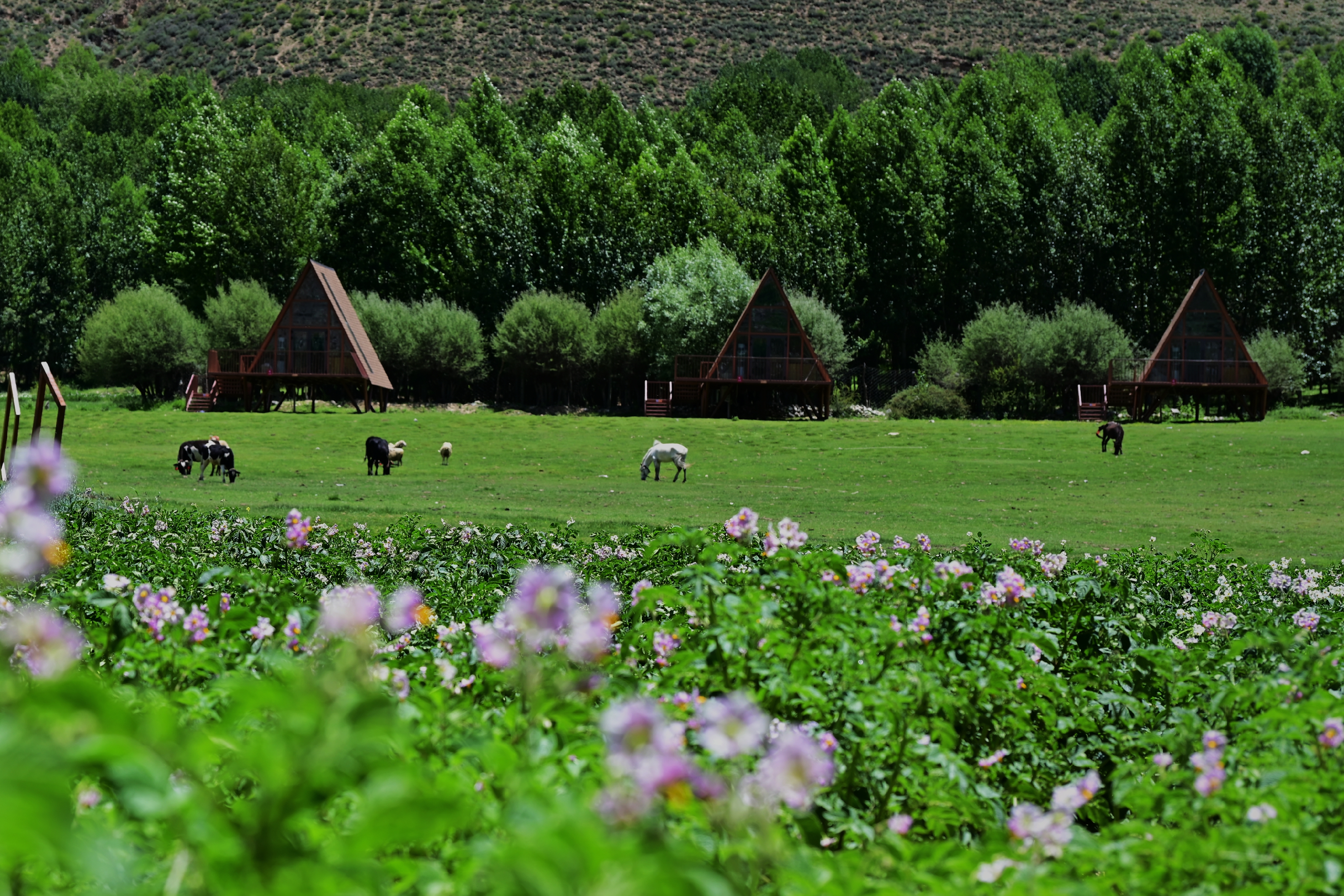
In the cultural tourism sector, the excellent sunlight conditions have also become an indispensable element of the plateau's slow‑paced lifestyle.
The Zhaga Coffee & Dining Lounge on the top floor of Lhasa's Shenli Times Square is hailed as a "hidden gem" destination. "What captivates our customers most is the view of the Potala Palace outside the window and the warm Lhasa sunshine and the gentle breeze," said store manager Dorje. A cup of coffee, a simple meal, or a travel photo session – every short stopover is an opportunity for residents and tourists alike to pay for "sunshine consumption" on the plateau.
From photovoltaics to agriculture, from cultural tourism to computing power, Xizang's unique solar‑thermal resources are continuously nurturing new industrial forms.
Radiating light and heat
To make good use of sunlight, we must let it radiate even more light and heat.
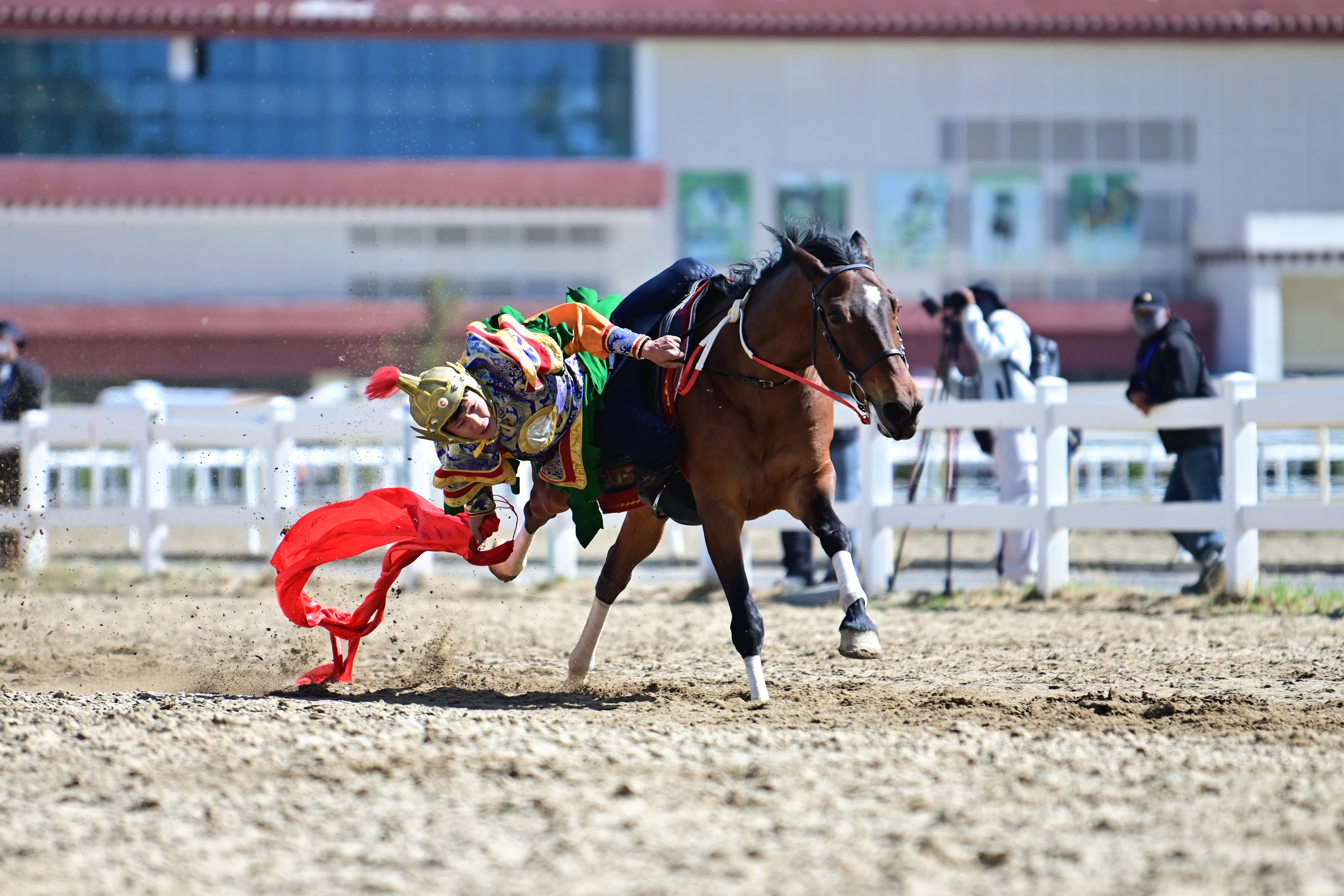
During the recently concluded Shoton Festival in Lhasa, "sunlight" was everywhere: a 5‑km fun run with over 4,000 participants kicked off in full swing, with everyone running vigorously under the plateau morning sun; Tibetan opera performances, "Linka" (picnic outings) leisure, and outdoor sports complemented each other, the sunshine not only enlivened the festive atmosphere but also boosted holiday cultural tourism consumption.
When we put together PV electricity, agricultural produce, tourist attractions, and data computing power, a clear thread emerges -"sunlight". And an industrial pattern that suits Xizang's actual conditions, possesses unique plateau characteristics, and spans primary, secondary, and tertiary industries is taking shape: the Sunlight Economy.
Industry experts believe that taking sunlight as the main thread and linking several distinctive plateau industries into a chain will help enhance the foresight and synergy of policies, guiding resources, industries, and markets to form a virtuous cycle.
"It is not yet a fixed industrial model, but a developmental logic that grows organically from the fertile soil of the plateau. By effectively integrating distinctive industries, it is expected to give rise to a brand‑new industrial landscape featuring coordinated development across multiple sectors," said Yang Jie.
The sunlight is endless, and the future is bright. When resources, industries, and markets interact positively, and when innovation chains, industrial chains, and consumption chains are deeply integrated, a "sunshine‑flavoured" industrial cluster will surely burst forth, illuminating the plateau.

Reporter: Wang Yahui, Liu Weitao, Zhang Lili, Feng Ji
Translator: Ni Weijing
First Review: Zhi Xinghua
Second Review: Li Chengye
Third Review: Hu Rongguo
Copyright © Xizang Daily & China Xizang News All rights reserved
Reproduction in whole or in part without permissions prohibited
Index Code: 藏 ICP 备 05000021 号
Producer: Xizang Daily International Communication Center