





Source:xzxw.com 2026-09-05
Following the mudslide disaster at Gyirong Port, the progress of search and rescue operations has drawn widespread public concern. However, to date, no survivors have been found. Experts interviewed on the matter stated that the extreme difficulty of rescue efforts is closely related to the "destructive nature" of this disaster.
"This disaster is a multi-link chain reaction that combines the high-altitude, high-speed, and high-energy characteristics of three natural hazards: ice avalanche, debris flow, and mudslide. It is not a single mudslide event. This is why its destructive power was so immense, cutting off all roads, communications, and electricity at the port," said Pula, brigade commander of the Special Service Detachment of the Xizang Fire and Rescue Corps, who participated in the on-site rescue operations.
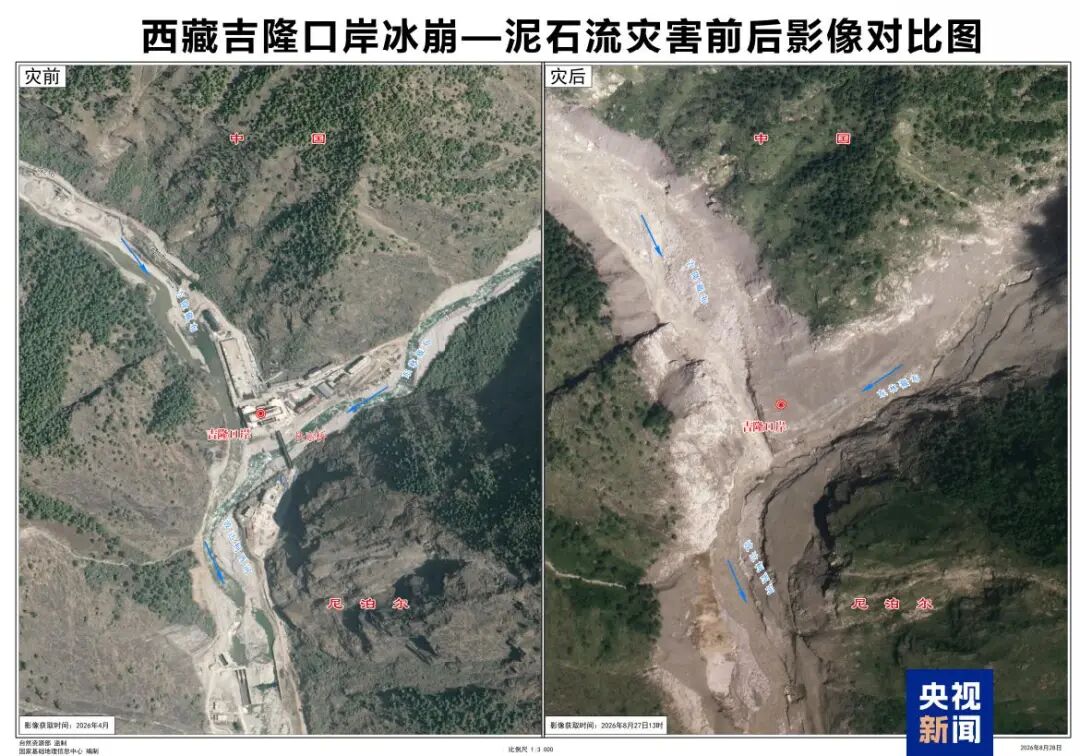
"This disaster has a 'destructive nature,'" analyzed Cheng Yue, a senior inspector at the Xizang Academy of Social Sciences. The enormous elevation drop of several thousand meters concentrated an extreme amount of energy, delivering a high-intensity "point-blank heavy strike" to the 0.7 square kilometer core zone of the port. Because the energy was released within such a confined space, it created an "explosive swirling impact" that instantly destroyed all buildings and facilities around the port, drastically reducing the chances of survival for anyone on site.
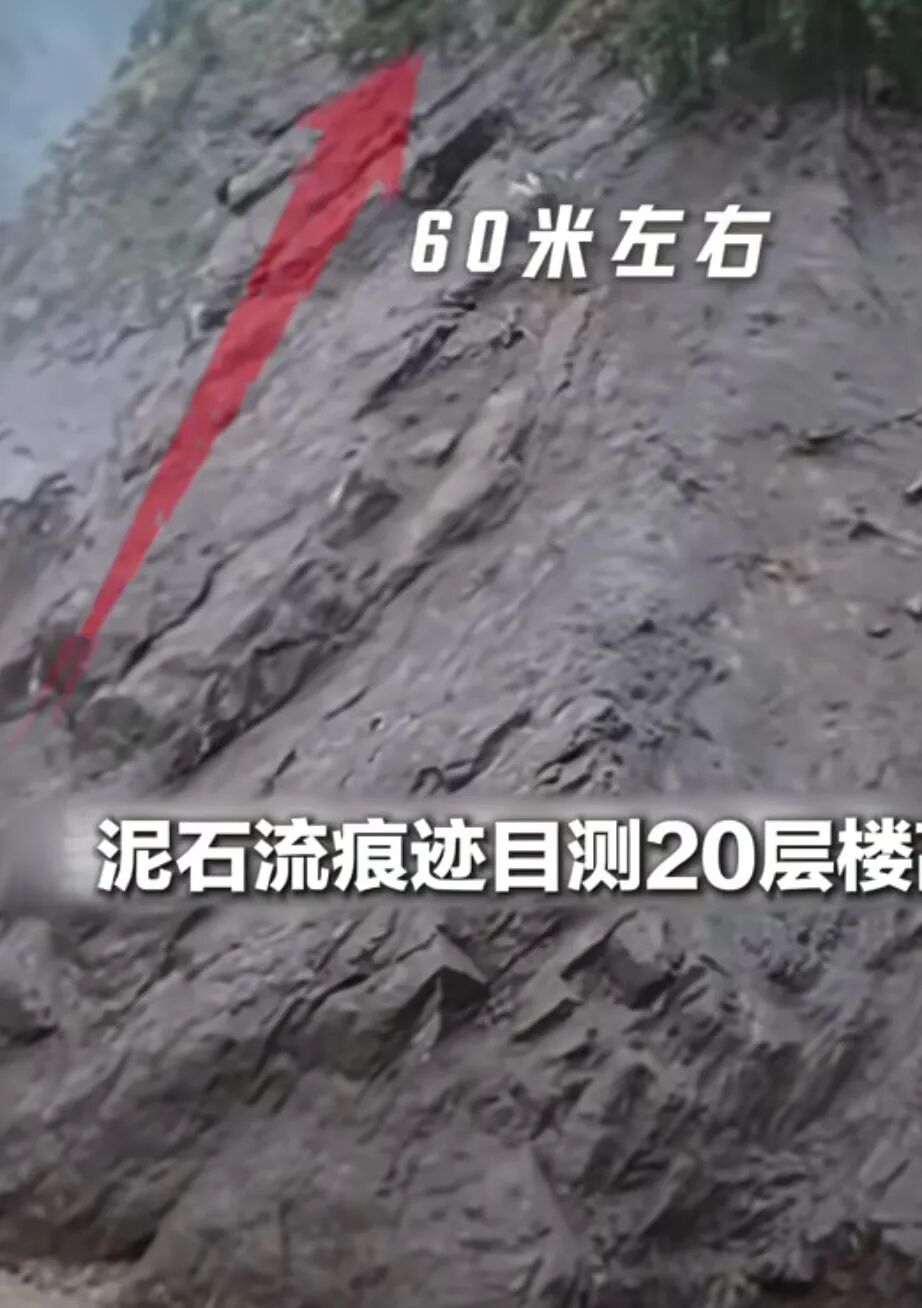
"In this mudslide disaster, searching for survivors is like 'looking for a needle in mud,'" added Yang Chengye, associate professor at the School of Engineering of Xizang University, from the perspective of disaster dynamics. He further explained that this event was an ice-avalanche-induced debris flow, with a flow velocity of up to 50 meters per second, or 180 kilometers per hour, leaving less than two minutes of reaction time downstream. This far exceeds the typical velocity of 10 meters per second for ordinary mudslides. In terms of destructive mechanism, this mudslide disaster acted by "filling" and "pushing." A high-density solid liquid two-phase flow instantly filled every void, leaving virtually no intact shelter in the core disaster area.
Yang Chengye also noted that, from a technical search and rescue standpoint, the mudslide deposits are densely compacted. The effective detection depth of life-detection instruments is less than two meters, and severe background noise interference leads to a very high false alarm rate, which further complicates rescue efforts.
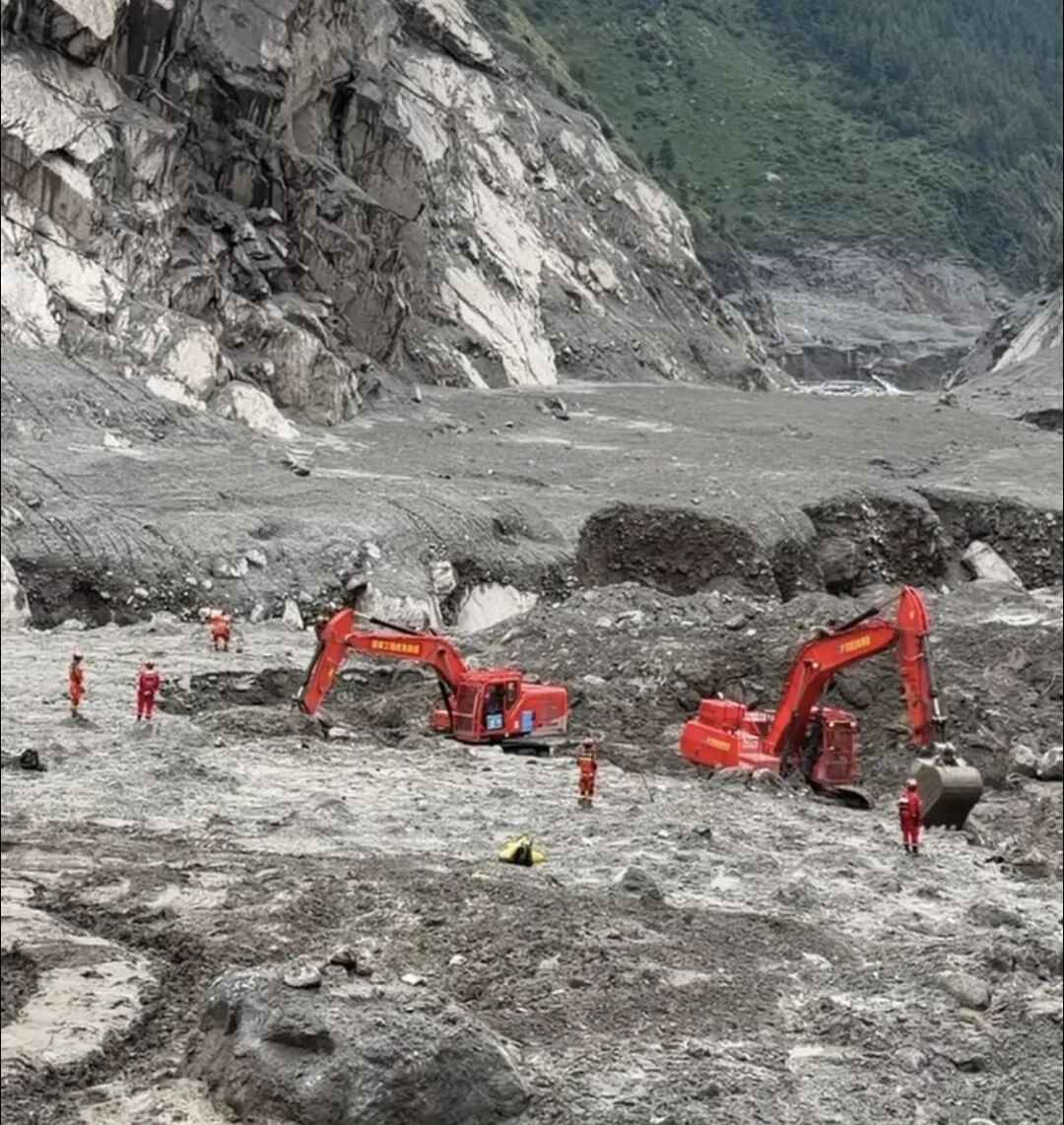
On-site surveys conducted by rescue teams after access was restored revealed that the average thickness of mudslide deposits in the core disaster area of Gyirong Port is 4meters, with a maximum of 16 meters, and the surface is covered with large boulders and thick mud. The missing individuals are buried deep beneath this heavy accumulation, suffering from compression, asphyxiation, and other traumatic injuries, making their chances of survival even more remote.
On the morning of September 2, the overland rescue route was reopened. Rescue personnel, supplies, and heavy equipment have now entered the core disaster zone, and intensive search and rescue operations are continuing.
Reporter: Wang Yahui, Liu Wentao, Li Chengye, Liu Feng, Quan Wenjuan
Translator: Tenzin Seldron
First Review: Zhi Xinghua
Second Review: Li Chengye, Drakpa Wangchen
Third Review: Hu Rongguo
Copyright © Xizang Daily & China Xizang News All rights reserved
Reproduction in whole or in part without permissions prohibited
Index Code: 藏 ICP 备 05000021 号
Producer: Xizang Daily International Communication Center