





Source:xzxw.com 2026-09-05
On August 26, an ice-rock avalanche from the northern slope of Nepal's Langtang Lirung triggered a massive cross-border mudslide disaster. The latest data show that on the Chinese side at Gyirong Port, 21 people have been confirmed dead and 541 are still missing. On the Nepalese side, 1,287 have died and 5,083 remain missing. Why did the same disaster result in such a significant disparity in the number of dead and missing between the two sides? Xizang Daily reporters interviewed relevant experts for answers.
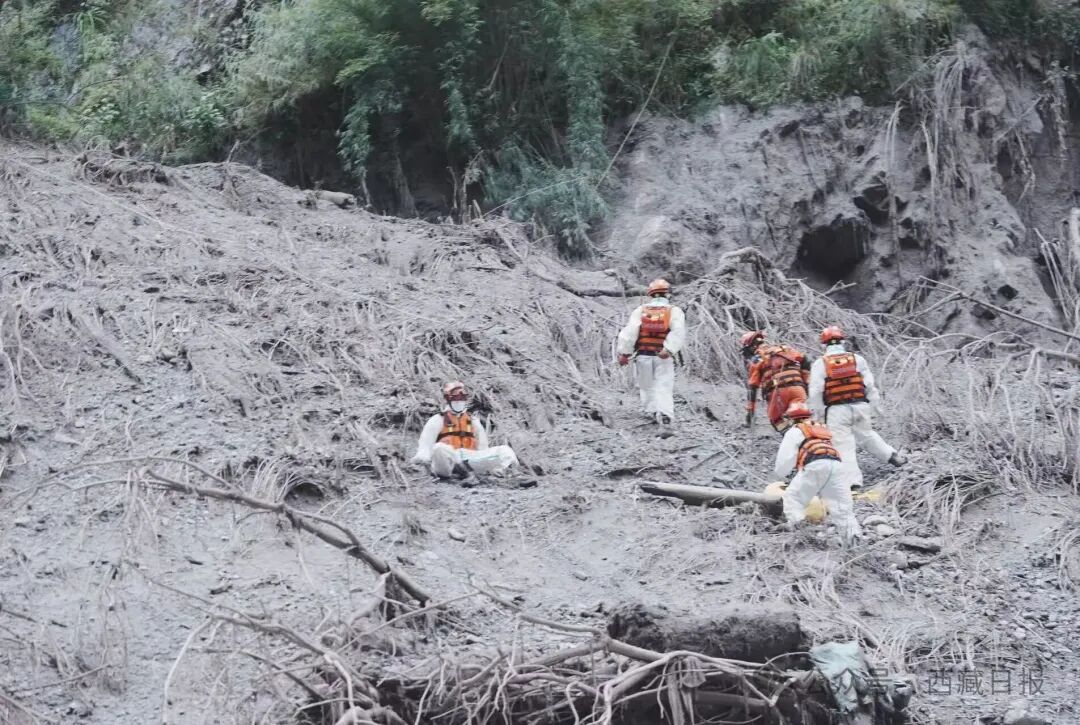
"Casualties from geological disasters depend largely on the scale of human exposure along the disaster path. The difference in population size within the affected areas on the Chinese and Nepalese sides is the primary reason," said Yang Yabo, director of the South Asia Research Institute at the Xizang Academy of Social Sciences.
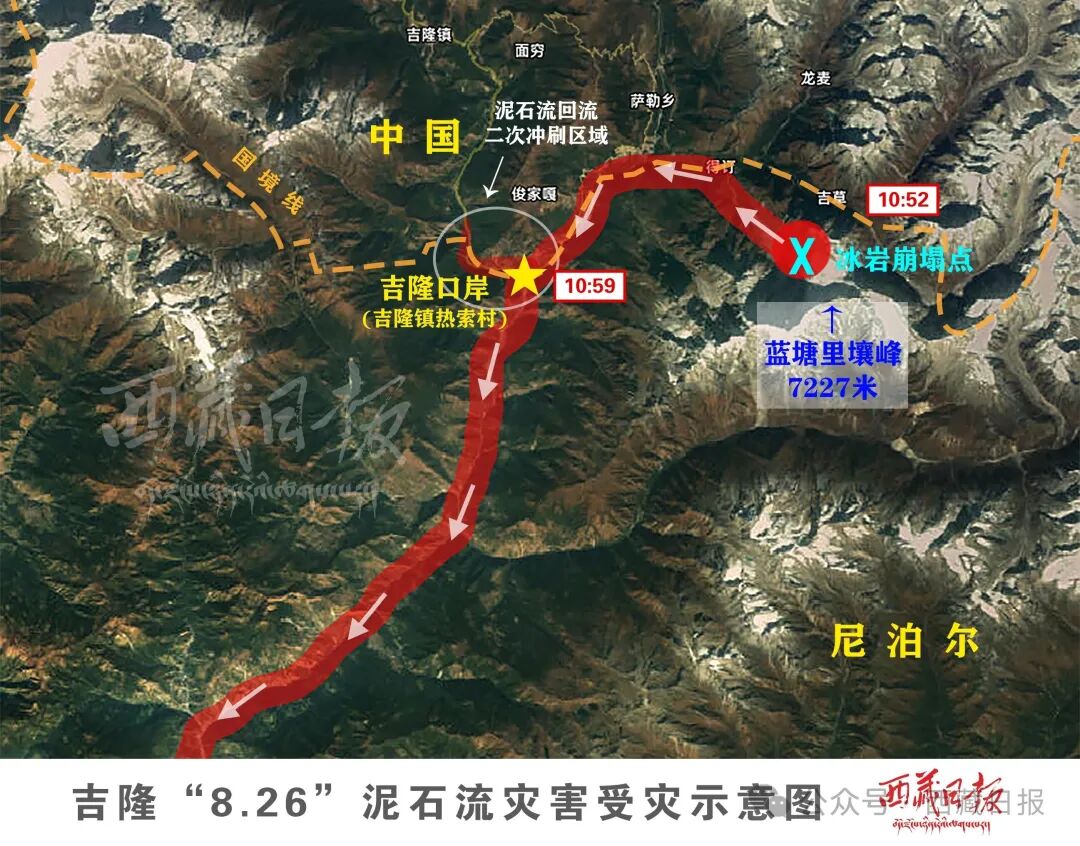
Wang Qiang, deputy Party secretary and head of the Gyirong Town government in Gyirong County, Xizang, told reporters: "In this disaster-affected area, population distribution was concentrated solely within the 0.7 square kilometer border gate zone, consisting mainly of government personnel from border inspection and customs agencies, nearby merchants, and construction workers – a daily population of about 200 to 300 people, plus a fluctuating number of domestic and international tourists." According to further reports, the nearest population cluster to Gyirong Port is Rasuwa Natural Village, which has a registered population of 15 households totaling 54 people. Most of this village was not extensively hit by the disaster, and its residents were promptly evacuated and relocated.
According to Zhang Jianghong, an assistant researcher at the Xizang Academy of Social Sciences, along the banks of Nepal's Bhote Koshi River, which bore the brunt of the disaster, lie densely populated towns such as Syapru Besi and Timure. The valley also hosts a renowned mountain trekking route that attracts visitors from around the world.
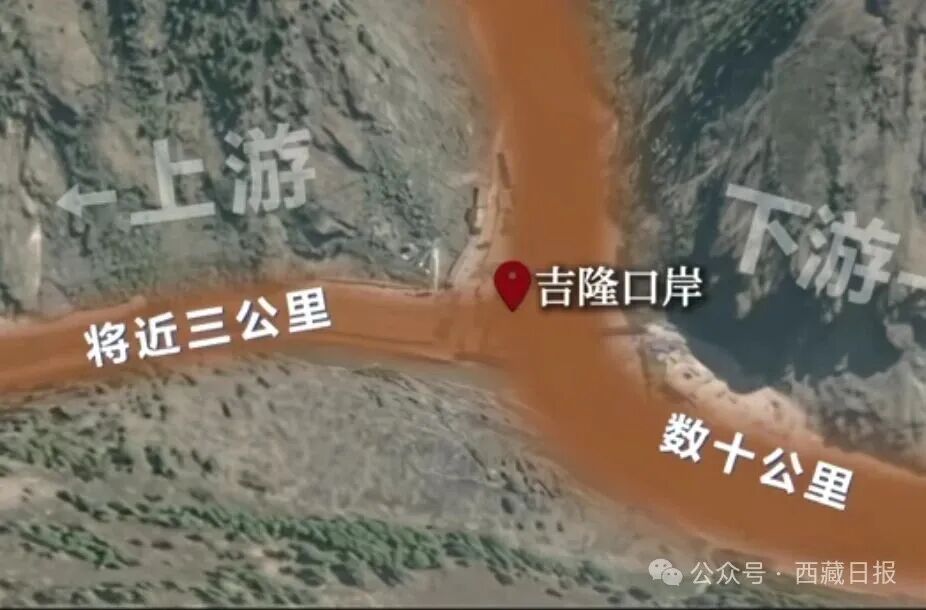
"In terms of impact scope, the affected area on the Chinese side was confined to the 0.7 square kilometer border gate zone, so the disaster's strike was limited," Zhang Jianghong analyzed. After the mudslide entered the downstream river section in Nepal, it fully spread out, radiating in a strip along the entire valley and striking multiple points over a long stretch, resulting in more disaster sites and a longer affected corridor.
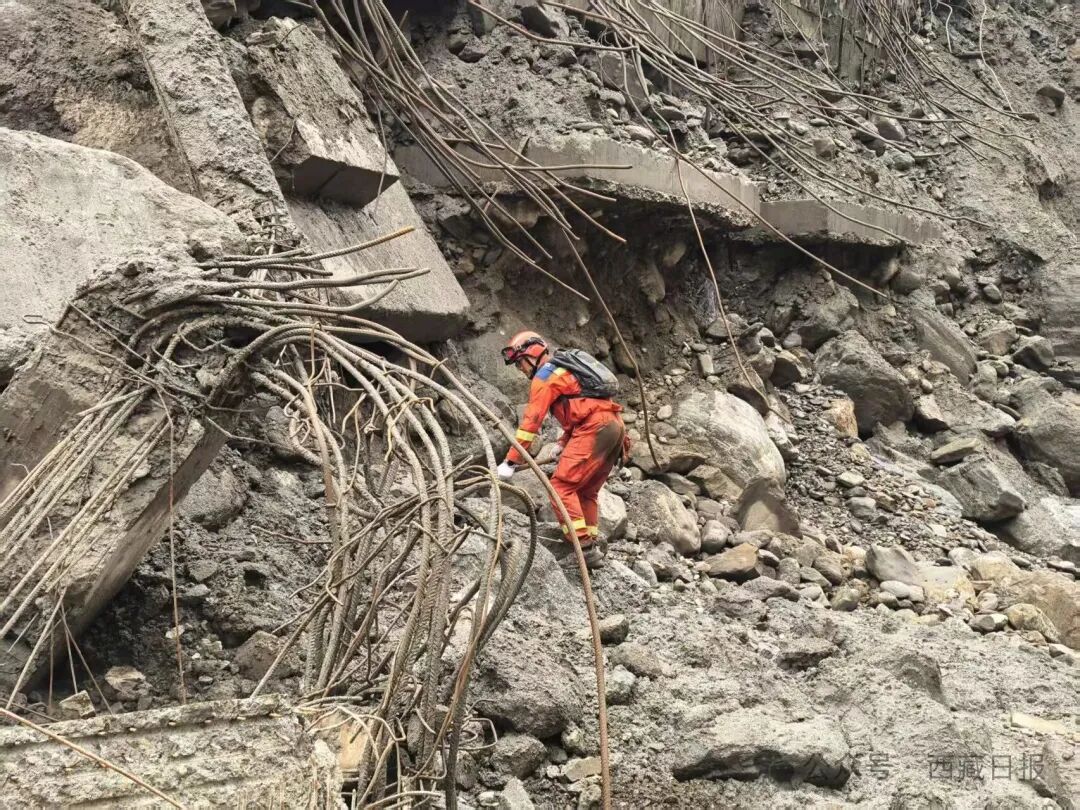
"On the whole, the significant difference in the number of dead and missing between the two sides should not be simplistically interpreted as a difference in the disaster's destructive force. Rather, it is the combined result of multiple factors, including population density in the impacted areas, the extent of the disaster's reach, and the speed of emergency response," Yang Yabo said.
Reporter: Wang Li, Lobsang Tenzin
Translator: Tenzin Seldron
First Review: Zhi Xinghua
Second Review: Li Chengye, Drakpa Wangchen
Third Review: Hu Rongguo
Copyright © Xizang Daily & China Xizang News All rights reserved
Reproduction in whole or in part without permissions prohibited
Index Code: 藏 ICP 备 05000021 号
Producer: Xizang Daily International Communication Center