





Source:xzxw.com 2026-10-26
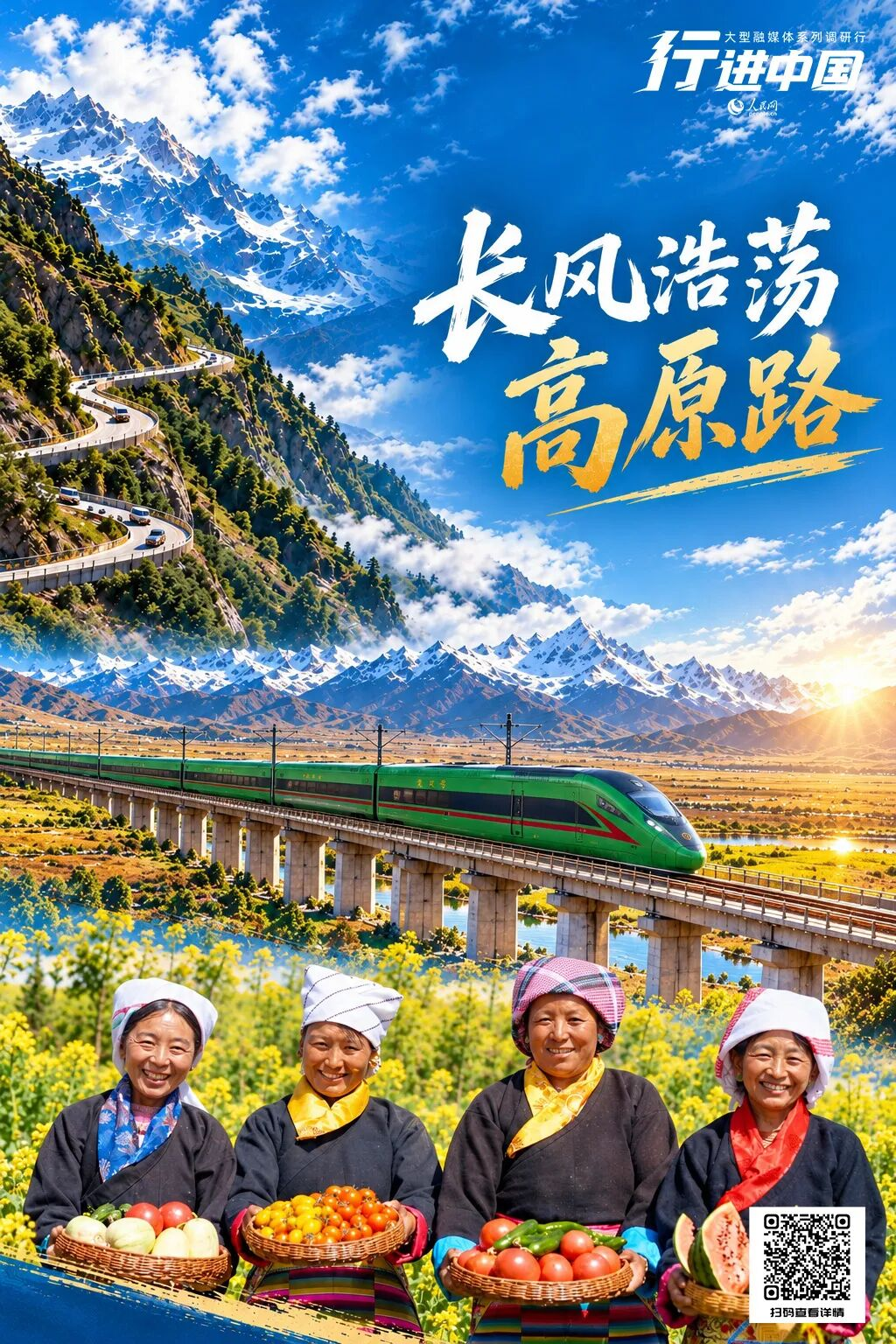
When roads stretch far, the world broadens, natural barriers turn into thoroughfares. From the Medog Highway, which went through half a century of surveyingand opened to traffic in 2013, to the Qinghai-Xizang Railway that has transported over 100 million tons of cargo and more than 41 million passengers in two decades, Xizang has bid farewell to its "isolated plateau" status completely. The vital transportation artery has invigorated development momentum: freight volume at Lhasa West Station has surged, and employees' incomes have doubled; children in Modog can now walk out of the mountains; the total highway mileage across the region has exceeded 120,000 km, and the per capita disposable income of rural residents has risen from 5,698 yuan in 2012 to 23,184 yuan in 2025, registering an average annual growth of 11.4% over 13 years — the fastest growth rate in China. The footprints and sweat of the older generation of road builders have now become the sense of responsibility that young road guardians carry forward in their down-to-earth work.
When people are diligent, all industries thrive, and local industries embrace new vitality. The extending road network has activated the "backbone" of the plateau. In Zhanang County, Shannan, the world's highest-altitude clean energy equipment base has risen, with its output value expected to exceed 3 billion yuan. Eluo Village in Qamdo has become prosperous through the "chili economy"; in Maizhokunggar, rapeseed flowers have realized a transformation from selling raw materials to developing agricultural product processing and rural tourism; the thousand-year-old pulu weaving craft has ridden the express train of e-commerce. Xizang's industries have shifted from "selling whatever we have" to "developing whatever the market demands". Plateau-characteristic products are reaching markets across the country, and local people are living a prosperous life with their own hands.
When people are united, the border is secure, and the younger generation is taking over the baton. At Pumaqangtang, which sits at an altitude of 5,373 meters, young people aged 22have voluntarily chosen to settle down; on the Zanda Grassland in Ngari, the "Horseback Police Team" follows the footprints of herders and becomes their most reliable support; community grid workers in Lhasa Xingfu Community work with residents to build and govern the neighborhood together. The Anhui aid-Xizang program has continued for two decades, passing on berry tea cultivation skills hand-in-hand in the Lhobu Valley of Shannan to drive local people's income growth. From police officers to aid-Xizang cadres, from the older generation of builders to young drivers, countless strivers have chosen to stay, and the flower of ethnic unity is blooming on the borderland.
The wind sweeps over Lhasa West Station, as the giant arms of gantry cranes rotate. Young drivers take over the steering wheel, and another train whistles and heads for the distance. The revolutionary drive has turned into practical efforts in construction, engraved on bridges, tunnels and railway tracks. When there are people ready to take over the baton, that is the most beautiful answer on the plateau — this is the profound inspiration behind Xizang's path of development.
Copyright © Xizang Daily & China Xizang News All rights reserved
Reproduction in whole or in part without permissions prohibited
Index Code: 藏 ICP 备 05000021 号
Producer: Xizang Daily International Communication Center